Assess Your Academic Interests and Course Options
Choosing a university starts with understanding what you actually want to study. Many students rush into applying without properly investigating whether their chosen course exists at their shortlisted institutions, or whether it covers the specialisms they care about.
Research specific course curricula rather than just course titles. Two universities might offer "Business Management" but teach entirely different modules. Check whether you can study specific topics like sustainable business, international trade, or entrepreneurship. Look at the modules available in each year, the practical components, and whether you can switch specialisms mid-degree.
When evaluating courses, consider:
- Module choice in second and third years versus fixed content
- Placement years or work experience opportunities
- Field-specific accreditations (engineering, law, accounting)
- Thesis, dissertation, or capstone project requirements
- Access to specialist equipment, labs, or facilities you'll need
If you're unsure about your exact direction, look for universities with flexible degree structures where you can defer specialisation until later in your course. Many Russell Group and newer universities offer this, particularly in sciences and humanities.
Research University Rankings and Reputation
University rankings influence career prospects. Employers do notice where you studied, particularly for graduate schemes and professional roles. However, rankings aren't everything, and different ranking systems measure different things.
The main UK rankings to consider are:
- Complete University Guide (UK-focused, rates student satisfaction)
- Guardian University Guide (emphasises teaching quality and employability)
- QS World University Rankings (international reputation)
- Times Higher Education (research focus)
- Teach First University Awards (teaching excellence)
Your course ranking matters more than overall university ranking. A university might rank outside the top 50 nationally but excel in law, engineering, or medicine. Look at subject-specific rankings on the Guardian University Guide and QS, which break down performance by discipline.
Consider what ranking criteria match your priorities. If employability matters most, check graduate employment rates and employer links. If you're interested in research, examine research intensity and RAE results. Russell Group universities dominate top positions, but many post-1992 universities like Nottingham Trent and De Montfort rank highly in specific fields.
Evaluate Location, Campus, and Student Life
You'll spend three or four years at university, so location deserves serious attention. This isn't just about whether you like the city, but practical factors like cost of living, travel home, and whether the campus environment suits your personality.
Cost of living varies dramatically across the UK. London and the South East typically cost 20–40% more than provincial cities. Student accommodation in Manchester, Leeds, or Bristol is significantly cheaper than in London or Oxford. Check current rental rates for student housing in your target cities using Rightmove, SpareRoom, or university accommodation websites.
Consider these location factors:
- City size and amenities (nightlife, shopping, cultural events, restaurants)
- Travel distances to your home or family support network
- Public transport links and whether you need a car
- Student population density (university towns like Durham versus larger cities like London)
- Local employment opportunities for part-time work or internships
- Campus type (single compact campus, spread across a city, multiple sites)
Visit campus in person if possible. Virtual tours help, but they don't convey atmosphere. Attend open days where you can speak to current students and see facilities firsthand. Ask about accommodation guarantees for international and first-year students, as this significantly impacts the freshers' experience and how quickly you'll settle in.
Compare Course Costs and Funding Options
Tuition fees are capped at £9,250 per year across all UK universities for UK and EU students, but total costs extend far beyond tuition. Accommodation, living expenses, course materials, and potential placement year gaps all affect affordability.
Break down total costs realistically:
- Tuition fees: £9,250 yearly (factored over your degree duration)
- Accommodation: £400–£800 monthly depending on location
- Food, transport, and living essentials: £150–£300 monthly
- Course-specific costs (field trips, specialist software, art supplies)
- Lost income during placement years, if applicable
Research bursaries, scholarships, and hardship funds specific to each institution. Many universities offer subject-specific scholarships for high achievers, sports scholarships, or support for students from lower-income backgrounds. Government Student Finance support covers fees and living costs up to a maximum, but this varies by income and family circumstances.
Use the Student Finance calculator on the Gov.uk website to estimate your eligibility. Understand the difference between bursaries (free money you keep) and loans (you repay). Some universities offer renewable bursaries worth thousands annually, which can meaningfully offset costs.
Check Graduate Outcomes and Employability Data
Universities publish graduate employment statistics that deserve close inspection. The Destinations of Leavers from Higher Education (DLHE) survey tracks what graduates do after university, and the newer Graduate Outcomes survey measures employment, further study, and salary data at 15 months post-graduation.
Look beyond headline employment rates. A 95% "employment" figure might include part-time retail work and unpaid internships, so read the detail. Check what percentage of graduates work in graduate-level roles that use their degree, and what the average starting salary is in your field.
Research these employability aspects:
- Graduate-level employment rates (not just any employment)
- Average starting salary by course and institution
- Strong employer partnerships and graduate recruitment schemes
- Access to careers services and interview coaching
- Placement year availability and conversion rates to permanent jobs
- Alumni networks in your target career sector
Contact the university's careers service directly and ask how they support your specific course. Some universities offer dedicated support for competitive fields like law, medicine, and finance, whilst others take a more generic approach.
Make Your Final Decision and Compare Universities
By this stage, you'll have assessed courses, rankings, locations, costs, and employment data. Weight these factors according to your priorities. A student prioritising London location and prestige will choose differently from someone prioritising affordability and specific course content.
Create a comparison spreadsheet covering tuition fees, accommodation costs, course ranking, graduate outcomes, and campus factors for your top three to five universities. This forces you to make genuine comparisons rather than relying on gut feeling.
Visit each campus if possible, attend open days or virtual events, and speak to current students and tutors. Your university choice affects your next three to four years and influences early career prospects, so invest time in getting it right.
Once you've narrowed your choice, start thinking about your UCAS application strategy. Most students apply to five universities: two safe choices, two realistic options, and one reach. Choosing wisely at this research stage makes the entire process far smoother.
Now you're ready to compare specific universities in detail. Compare quotes and information from three providers to ensure you find the right fit for your circumstances, priorities, and career goals.
Trending articles
- Russell Group vs post-92 universities: ... Feb 2026
- How to Choose a University in the UK: ... Feb 2026
- University Tuition Fees UK 2026: Your ... Feb 2026
-
 Top 10 Business Universities in the UK ...
Sep 2025
Top 10 Business Universities in the UK ...
Sep 2025
- Top 5 Fashion Universities in the UK | ... Sep 2025
-
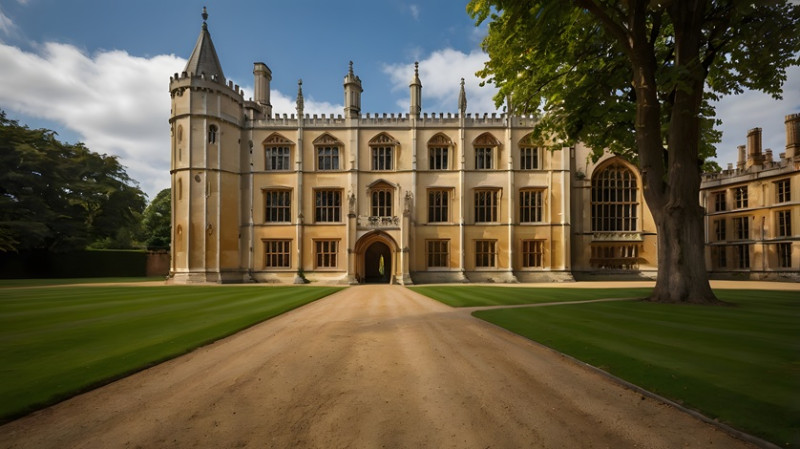 10 Most Beautiful Universities in ...
Aug 2025
10 Most Beautiful Universities in ...
Aug 2025